
Co-Founders
How to Find a Co-Founder in 2026: A Practical Guide for Startup Founders
By Sparc Club Team · · 13 min read
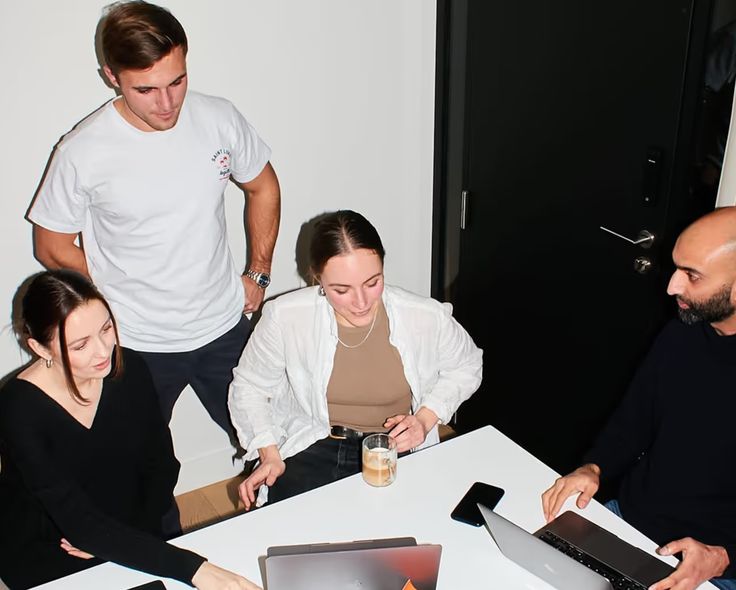
Every startup begins with an idea, but turning that idea into a real business takes much more than enthusiasm. You need to understand your market, build a product people want, find customers, manage money, and make difficult decisions when things do not go according to plan. Trying to handle every responsibility alone can become exhausting, which is why many entrepreneurs eventually start looking for a co-founder.
But finding someone who is willing to start a business is not the same as finding someone who is right for your business. You need a person whose skills complement yours, whose ambition aligns with your vision, and whose working style holds up when the pressure increases.
If you are wondering how to find a co-founder in 2026, the good news is that there are more ways to meet potential startup partners than ever before. Online founder-matching platforms, professional networks, startup communities, accelerator programmes, and entrepreneurial events can help you meet people outside your existing circle.
The challenge is knowing where to look, how to evaluate potential partners, and when a promising connection is ready to become a genuine founding relationship.
1. Define What You Need in a Co-Founder Before You Start Searching
One of the most common mistakes founders make is beginning their search without understanding what they actually need from another person.
You might think you need a technical co-founder because you have a software idea. But perhaps you already have a working prototype and your biggest challenge is acquiring customers. In that case, a co-founder with strong sales, distribution, or industry expertise might be more valuable than another developer.
Start by examining your own strengths and weaknesses. Which responsibilities can you handle confidently? Where are you consistently struggling? What critical work is not getting done because you lack the necessary experience, time, or connections?
Imagine you are building a SaaS product. You may understand the market and know how to sell the solution, but lack the technical experience to build and maintain the software. A technical co-founder could complement your capabilities. If you are an experienced engineer who can build the product but struggles with customer discovery and sales, a commercially minded co-founder might make more sense.
The objective is not to find someone with an impressive résumé or a personality similar to yours. It is to find someone who can take ownership of an important part of the business that you cannot manage as effectively alone.
Before contacting potential candidates, write a short description of the role you have in mind. Explain the problem you are solving, what you have already built or validated, what you bring to the company, and which responsibilities the other founder would own.
A specific opportunity is much easier to evaluate than a vague message asking someone to join your startup idea.
2. Start With People You Already Know
Your existing network is often a sensible place to begin looking for a co-founder because you may already have evidence of how certain people work.
Think about former colleagues, classmates, professional contacts, previous collaborators, and people you have built projects with. Have you worked with someone who consistently delivered on commitments? Do you know someone who approaches problems differently from you but shares your ambition? Have you collaborated with someone whose skills would complement yours?
The advantage is that you may have already observed their communication, reliability, decision-making, and response to difficult situations. You do not have to rely entirely on what they say about themselves.
However, familiarity should not replace evaluation. A close friend can be an excellent co-founder, but friendship alone does not guarantee compatible business goals. You still need to discuss expectations, responsibilities, financial circumstances, time commitment, and how disagreements will be handled.
You should also expand beyond your immediate circle. Ask trusted professional contacts for introductions to people with the specific skills and experience you need. Rather than asking, "Do you know anyone who wants to start a business?" explain the kind of person you are looking for and the problem your company is solving.
The more precise your request, the easier it becomes for someone to make a relevant introduction.
3. Use Co-Founder Matching Platforms
If your current network does not contain the right person, dedicated co-founder matching platforms can help you discover entrepreneurs who are also looking for a startup partner.
One established option is Y Combinator's Co-Founder Matching platform. It is designed to help aspiring and existing founders discover potential co-founders based on their interests and preferences. Other platforms and founder directories may provide ways to explore people by skills, business interests, experience, or startup stage. Check each platform's current eligibility requirements and activity before investing significant time in it.
These platforms are particularly useful when you need to meet people outside your geographic area or existing professional circle. For example, a founder building a B2B software company might find a potential commercial partner in another city or country.
However, a matching platform should be treated as a way to discover candidates, not as proof that someone will be a good co-founder. Profiles can describe ambitions and skills, but they cannot fully demonstrate how someone handles conflict, meets deadlines, or makes decisions when a business faces uncertainty.
Make your profile specific. Explain what you are building, what progress you have made, what you bring to the partnership, and what kind of person you want to meet. Include realistic expectations about time commitment and the stage of your venture.
A profile that says, "Looking for a co-founder for an exciting startup" gives people very little information. A profile that explains the customer problem, existing progress, required expertise, and intended commitment makes it easier for the right person to decide whether a conversation is worthwhile.
4. Join Founder Communities Where Entrepreneurs Are Building Businesses
Not every potential co-founder will be found through a dedicated matching platform. Some of the strongest connections begin in communities where entrepreneurs discuss their work, exchange experiences, and learn about one another over time.
Startup communities, founder groups, entrepreneurship programmes, industry networks, and online builder communities can introduce you to people who share your interests. Instead of starting with a formal co-founder proposal, you can begin by understanding what someone is building, what problems they care about, and how they approach their work.
This matters because a co-founder relationship requires more than matching skills. You also need to understand how another person thinks, communicates, and responds to uncertainty.
Participate before asking for something. Share useful lessons from your own experience, provide thoughtful feedback, and engage in conversations where you can contribute genuine value. Over time, you may discover people whose goals and working styles align with yours.
Private entrepreneur communities offer another route for founders who prefer a focused environment rather than a broad professional social network. A founder-focused network can make it easier to discover entrepreneurs, learn about their businesses, and begin relevant conversations.
Sparc Club is one such private networking community, built exclusively for entrepreneurs, founders, and business owners. It provides a dedicated environment for discovering other founders and building professional connections that may develop into collaborations or business opportunities.
You can explore the community at Sparc Club.
A community can help you meet the right people, but a successful co-founder relationship still depends on the conversations and work that happen after the introduction.
5. Attend Startup Events, Hackathons, and Entrepreneurship Programmes
Meeting potential co-founders in person can provide valuable information that is difficult to assess from an online profile.
Startup events, hackathons, founder meetups, accelerator programmes, and entrepreneurship workshops bring people together around business ideas and practical problem-solving. They can be especially useful if you want to observe how someone approaches a challenge rather than simply hear them describe their abilities.
Hackathons and short collaborative projects can be particularly revealing. You get to see how people divide responsibilities, respond to feedback, handle setbacks, and work under time constraints.
Accelerator programmes and entrepreneurship communities can also introduce you to people with similar ambitions. However, participation does not automatically establish that someone is a suitable partner, and some programmes require a significant time commitment or have eligibility restrictions.
Go into these environments with a clear objective. Instead of trying to meet as many people as possible, focus on a few conversations with people whose experience complements your own.
Ask what they are building, which problems they want to solve, and what kind of company they hope to create. If there is a potential fit, arrange a follow-up conversation to explore the possibility of working together.
6. Evaluate Compatibility Before You Commit
Finding someone who is interested in your startup is only the beginning. Before deciding to become co-founders, you need to understand whether you can work together through the uncertainty and pressure of building a company.
Start with the vision. Do you agree on the problem you want to solve, the customers you intend to serve, and what success looks like? You do not need identical opinions on every decision, but fundamental disagreements about the business's direction can become difficult to manage later.
Next, discuss commitment. Are both of you prepared to work on the company full-time, or will one person continue working elsewhere? How many hours can each person realistically contribute? What financial responsibilities or personal circumstances could affect availability?
You should also discuss risk tolerance. One founder may want to raise venture capital and pursue rapid growth, while another may prefer a profitable, bootstrapped business. Neither approach is automatically right, but a mismatch in expectations can create serious tension.
Pay attention to how you communicate. Can you disagree without making the discussion personal? Does the other person acknowledge mistakes? Are they willing to question your assumptions while remaining open to evidence?
Finally, look for consistency between words and actions. Someone may have excellent ideas and impressive credentials, but reliability becomes clear through repeated behaviour.
A good co-founder does not have to agree with you all the time. They should be able to challenge your decisions, communicate honestly, and take responsibility for their part of the business.
7. Work on a Small Project Before Splitting Equity
One of the most useful ways to evaluate a potential co-founder is to work together on a clearly defined project before making a long-term commitment.
You might spend two to four weeks testing a customer problem, building a prototype, interviewing potential customers, creating a landing page, or developing a go-to-market plan. The exact project will depend on the business, but it should require both people to contribute meaningful work.
Agree on the objective, responsibilities, timeline, and expected deliverables before you start. You should also discuss confidentiality, intellectual property, expenses, and ownership of anything created during the trial, using an appropriate written agreement where necessary.
Observe how the collaboration actually works. Does each person deliver what they promised? How do you handle unexpected problems? Are decisions made efficiently? Can you give and receive feedback without unnecessary friction?
The project does not need to produce a successful business outcome. Its purpose is to reveal how you work together. Even a failed experiment can provide useful evidence about your compatibility.
Do not rush into giving away equity simply because a first meeting went well or someone is enthusiastic about your idea. Equity can be difficult to unwind once granted, and the appropriate structure depends on the business, jurisdiction, contributions, and legal arrangements.
Before finalising ownership, discuss roles, decision rights, vesting, intellectual property, founder departures, and what happens if one person stops contributing. Seek qualified legal and tax advice before signing the relevant agreements.
A short period of real collaboration can reveal far more than a long series of conversations.
8. How to Approach a Potential Co-Founder
Your first message should make it easy for the other person to understand why you are reaching out and whether there is a genuine reason to talk.
Avoid sending a generic message that simply asks someone to become your co-founder. That request requires a large commitment before the person understands your business, your working style, or what the opportunity involves.
Instead, explain what you are building, why their experience caught your attention, what progress you have made, and what kind of conversation you would like to have.
For example:
"Hi, I am building a startup focused on helping small businesses automate repetitive customer communication. I have been working on the product and validating the problem, and I am now looking to connect with people who have experience in B2B sales and customer acquisition. Your background caught my attention. Would you be open to a short conversation about what you are building and whether there might be a fit?"
This approach gives the other person enough context to make an informed decision without putting pressure on them to commit immediately.
If the initial conversation goes well, do not jump straight into equity negotiations. Discuss your respective goals, explore the problem you want to solve, and agree on a small next step that allows both people to assess the opportunity.
The goal of the first conversation is not to secure a co-founder. It is to determine whether another conversation is worthwhile.
9. Common Mistakes to Avoid When Finding a Co-Founder
One mistake is choosing someone because they are a friend rather than because you have compatible goals and working styles. Personal trust can be helpful, but the responsibilities of running a company introduce pressures that ordinary friendship may never test.
Another mistake is searching for a person who is simply willing to work for equity. A co-founder should bring meaningful capabilities, ownership, judgement, or experience to the business. If you only need someone to complete a defined task under your direction, hiring a contractor or early employee may be more appropriate.
Founders also make the mistake of prioritising technical skills over everything else. Building a product matters, but so do customer discovery, distribution, operations, financial management, and the ability to make difficult decisions. The skills you need depend on the company's stage and the gaps in your current team.
A further risk is leaving important conversations until later. Disagreements about equity, commitment, ownership, and decision-making are easier to address before the company has valuable assets, customers, or outside investment.
Finally, do not confuse online popularity with entrepreneurial ability. A large audience or impressive personal brand may be useful, but neither proves that someone can build a company or work effectively with a partner.
Take your time, ask direct questions, and evaluate what people do rather than relying entirely on what they promise.
10. A 30-Day Plan to Find a Co-Founder in 2026
If you are serious about finding a co-founder, give the search structure instead of waiting for the right person to appear.
Week 1: Define the opportunity. Write a clear description of your startup, the customer problem, your existing progress, the skills you need, and your expectations for commitment. Be honest about what you have already achieved and what remains uncertain.
Week 2: Expand your search. Contact people in your professional network, create a specific profile on a relevant matching platform, and participate in founder communities. Choose a few channels you can use consistently instead of joining dozens of platforms without engaging.
Week 3: Hold meaningful conversations. Speak with potential candidates about their goals, skills, availability, financial expectations, and approach to building a business. Look for shared ambition and complementary capabilities rather than trying to impress one another.
Week 4: Test the strongest fit. Choose a small, clearly defined project with a promising candidate. Agree on responsibilities, timelines, and expectations, then evaluate how the collaboration works in practice.
Thirty days may not be enough to find the right person, and that is perfectly reasonable. The objective is to create a repeatable process that helps you identify promising candidates and gather meaningful evidence before making a long-term commitment.
A carefully chosen co-founder can influence the company's direction for years. It is worth investing the time to get the decision right.
Final Thoughts: The Right Co-Founder Is Found Through Action, Not Just Networking
Learning how to find a co-founder in 2026 is not simply about discovering another entrepreneur who shares your ambition. It is about finding someone whose skills complement yours, whose values align with your business goals, and whose actions demonstrate that you can trust them with an important part of the company.
Start with your existing network, expand through founder-matching platforms and entrepreneur communities, and use real collaboration to evaluate promising relationships. Be clear about what you bring to the partnership, ask difficult questions early, and avoid making long-term ownership decisions before you understand how you work together.
You do not need hundreds of potential co-founders. You need a process that helps you discover the right people, evaluate compatibility, and build trust through action.
And sometimes, the first step is simply entering a community where more of the right conversations can happen.
Sparc Club is a private networking community for entrepreneurs, founders, and business owners who want to build meaningful professional connections. Explore Sparc Club to discover a network designed around entrepreneurship and business relationships.
Meet founders who are actually building
Sparc Club is the private network for verified founders and entrepreneurs.
Join Sparc Club